If you live with a dog, chances are you’ve been presented with a slightly slobbery gift at some point.
A sock. A toy. A stick from the garden. Or something far more questionable…
Many dogs proudly trot over and drop their “treasure” at your feet like they’ve just returned from a successful hunting trip. Sometimes they want you to throw it. Sometimes they just stand there… staring… waiting.
So why do dogs do this?
The truth is, there are several reasons behind this behaviour, and most of them are actually a sign your dog is feeling happy, secure, and connected to you.
Let’s take a closer look.
They Want to Play
One of the most common reasons dogs bring objects to their owners is simple: they’re inviting you to play.
Dogs quickly learn that bringing you something often leads to a fun game of:
-
Fetch
-
Tug
-
Chase
If your dog drops a toy at your feet and waits expectantly, they’re essentially saying:
“Hey… want to play?”
For energetic breeds especially, this behaviour is their way of initiating interaction.
It’s a Throwback to Their Instincts
Dogs are descendants of hunting animals, and many breeds were originally developed to retrieve objects.
Retrievers, spaniels, and other working breeds were bred to collect game and bring it back to their handler without damaging it.
So when your dog proudly brings you:
-
A toy
-
A stick
-
A sock
-
A shoe
…it can be a modern version of their natural retrieving instinct.
In their mind, they’ve done their job perfectly.
They’re Bringing You a “Gift”
Sometimes dogs bring objects not because they want to play, but because they want to share something with you.
Dogs often bring items that:
-
Smell interesting
-
Belong to you
-
Feel valuable to them
From your dog’s perspective, offering it to you is a social behaviour, similar to how animals share resources in a pack.
Even if the item happens to be your missing slipper.
They Want Your Attention
Dogs are incredibly good at learning what gets a reaction.
If bringing you an object results in:
-
You talking to them
-
Laughing
-
Chasing them around the house
-
Playing fetch
…they quickly realise this behaviour works.
Even if you’re telling them to drop the sock, your dog may still see it as a successful attention strategy.
It Makes Them Feel Proud
Dogs love positive feedback.
If you’ve ever praised your dog when they bring a toy or return an object, they may repeat the behaviour simply because it makes them feel successful.
That proud tail wag and happy expression?
That’s your dog saying:
“Look what I did!”
When It Becomes a Problem
Most of the time, this behaviour is harmless. But it can become frustrating if your dog starts stealing things like:
-
Shoes
-
Laundry
-
Children’s toys
-
Household items
If that happens, try:
-
Providing plenty of appropriate toys
-
Rewarding your dog for bringing their toys instead of household items
-
Avoiding games where you chase them for stolen objects
Dogs repeat behaviours that work, so rewarding the right objects helps guide them.
When to Be Careful
Occasionally, dogs pick up objects that could be dangerous if swallowed, such as:
-
Socks
-
Underwear
-
Small toys
-
Plastic items
If your dog is regularly eating or swallowing objects, it could indicate a condition called pica, and it’s worth speaking to your vet.
The Bottom Line
When your dog brings you random objects, it’s usually a sign of something positive:
-
They want to play
-
They’re following their instincts
-
They’re sharing something with you
-
Or they simply want your attention
In other words, your dog isn’t being weird — they’re just trying to connect with you.
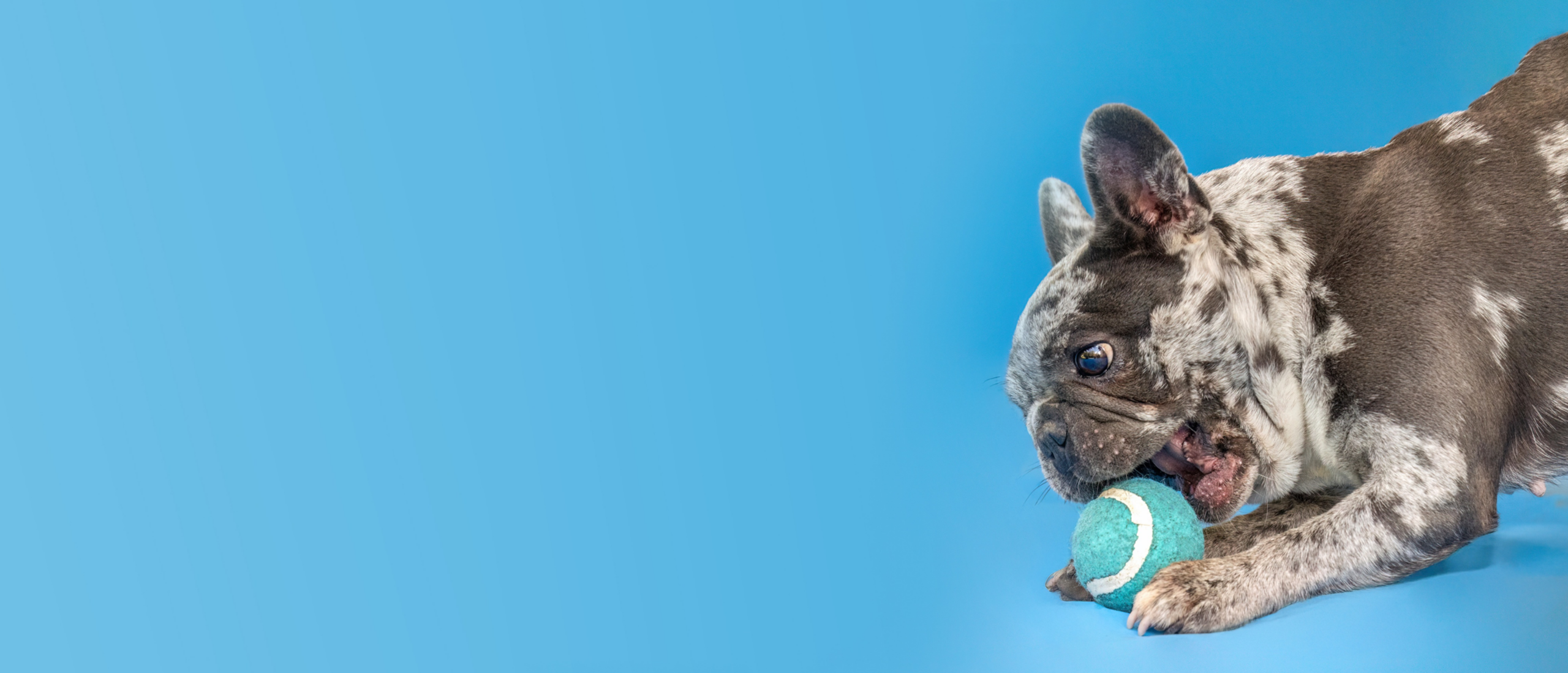
Even if that connection occasionally involves a soggy tennis ball… or your missing sock.