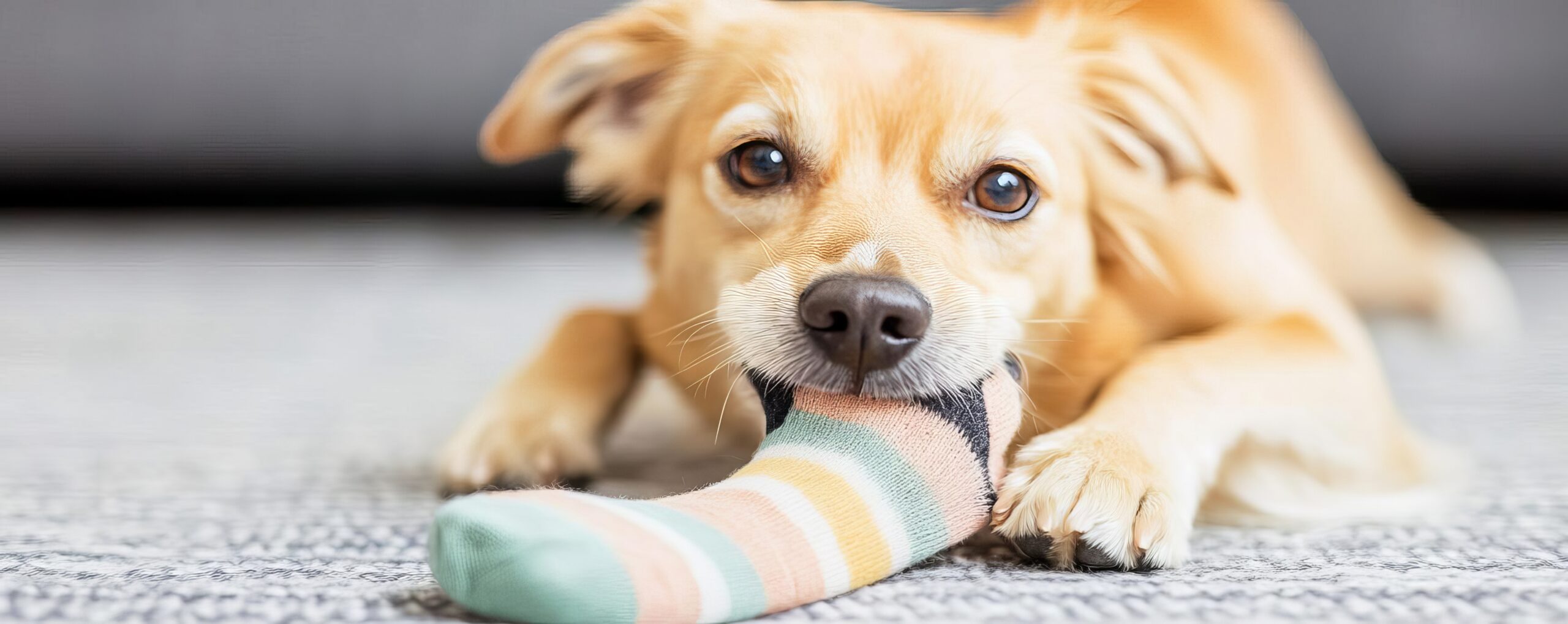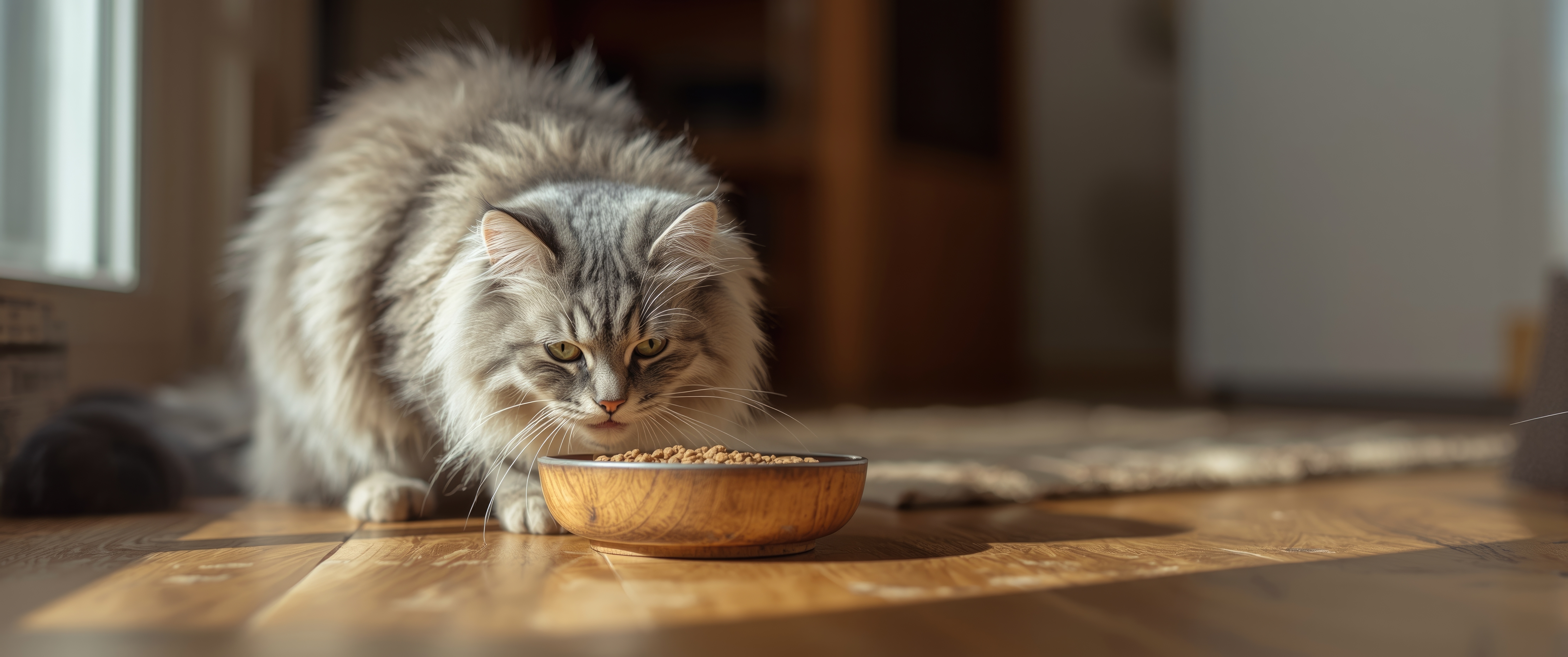
Your pet can’t tell you how they feel with words — but their behaviour says a lot. From how closely they follow you around the house to the way they react when you come home, everyday habits can reveal the strength (and style) of your bond.
Understanding these signals doesn’t just deepen your relationship — it can also help you spot changes in behaviour early, which is often key to good health and wellbeing.
Here’s what your pet’s behaviour might be telling you…
They follow you everywhere
What it means: Trust, attachment, and security.
If your dog or cat shadows you from room to room, it’s usually a sign they see you as their safe place. Dogs, in particular, are social animals and often mirror their owners’ movements. Cats may do this more subtly, but it’s still a strong indicator of attachment.
When to watch out:
If this behaviour becomes sudden or extreme, it can sometimes signal anxiety or discomfort — especially if paired with restlessness or vocalising.
They sleep near you (or on you)
What it means: Deep trust.
Sleeping is when pets are most vulnerable. Choosing to curl up next to you — or on your bed — means your pet feels safe, calm, and bonded to you.
- Dogs often sleep close to people they view as part of their “pack”.
- Cats that sleep nearby are showing trust and affection, even if they’re independent by nature.
They maintain eye contact (without staring)
What it means: Emotional connection.
Gentle eye contact between pets and owners releases oxytocin — the same hormone linked to bonding in humans.
- Dogs that hold relaxed eye contact are showing trust.
- Cats may give a slow blink, which is often described as a “cat kiss”.
If your pet offers this naturally, it’s a strong sign of a positive bond.
They bring you toys or ‘gifts’
What it means: Inclusion and interaction.
Dogs bringing toys often want to engage, play, or simply share an experience with you. Cats may bring toys — or less welcome items — as part of instinctive behaviour combined with social bonding.
In both cases, it’s a sign your pet sees you as part of their inner circle.
They get excited when you come home
What it means: Strong emotional attachment.
The classic enthusiastic greeting — wagging tails, happy spins, vocal greetings — shows your presence matters deeply to your pet.
While dogs are more outwardly expressive, cats may show excitement through:
- Following you closely
- Rubbing against your legs
- Increased vocalisation
Behaviour changes can signal something else
A strong bond also means you’ll notice when something feels “off”.
Changes such as:
- Withdrawal or hiding
- Reduced interaction
- Aggression or clinginess
- Changes in sleep or appetite
can sometimes indicate stress, anxiety, or an underlying health issue. Behavioural shifts are often one of the earliest signs that something isn’t right.
How to strengthen your bond
Building and maintaining a healthy bond doesn’t require grand gestures — consistency matters most.
Try:
- Regular routines (feeding, walks, playtime)
- Positive reinforcement and calm communication
- Mental stimulation (games, enrichment toys)
- Time together without distractions
The more secure your pet feels, the stronger your bond becomes.
Why this bond matters
A strong human–pet bond isn’t just emotional — it has practical benefits too:
- Pets with secure attachments often show fewer behavioural issues
- Owners are more likely to spot early signs of illness
- Vet visits and care routines tend to be less stressful
Understanding your pet’s behaviour helps you care for them better — physically and emotionally.
Final thought
Your pet might not say “I love you,” but their actions speak volumes. Paying attention to those small, everyday behaviours can strengthen your bond and help you give them the happy, healthy life they deserve.